
See You in Toronto
March 30 - April 1, 2027







Grow. Innovate. Connect.
Thank You for an Incredible CONNECT 2026
Thank you to the retailers, groomers, distributors, manufacturers, service providers, and pet professionals who joined us March 4 and 5, 2026 at CONNECT in Niagara Falls.
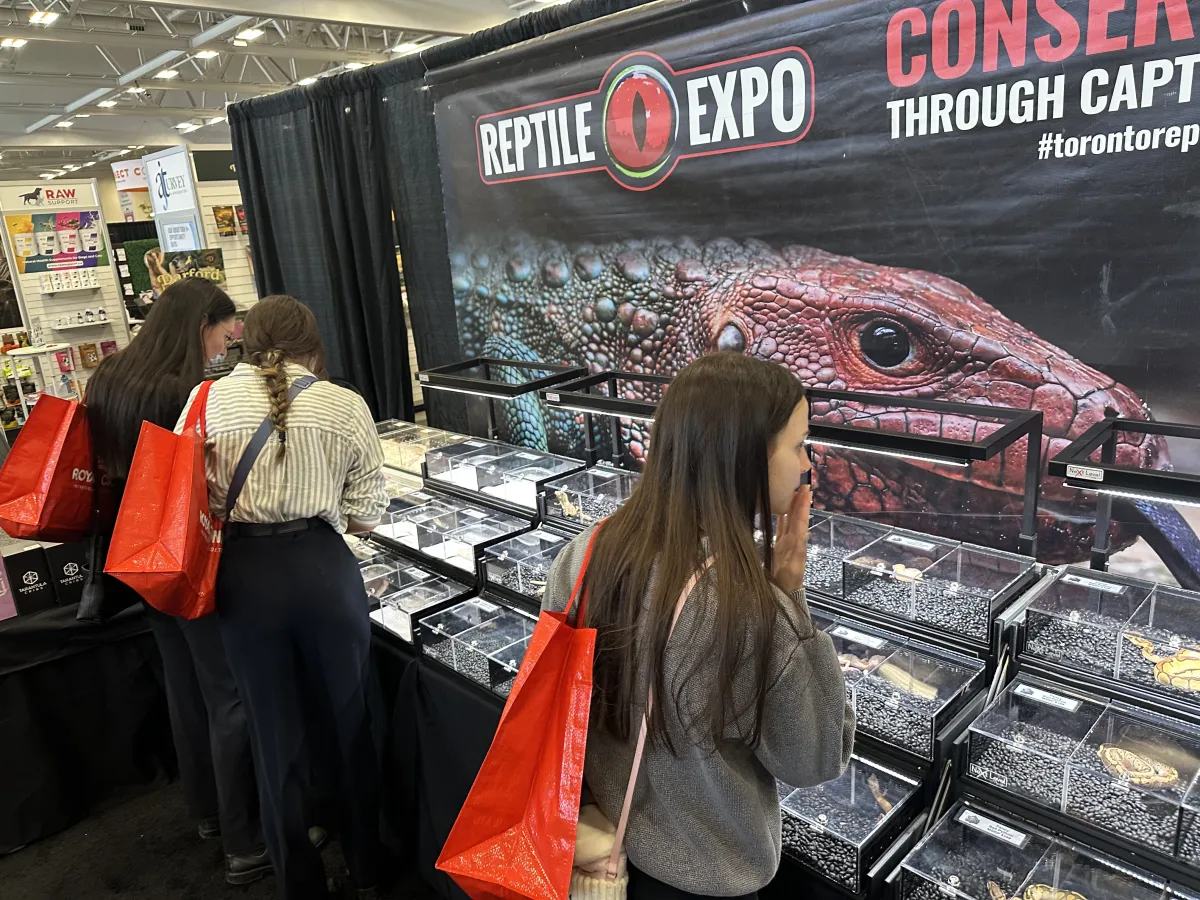
Over two incredible days, the Canadian pet industry came together to share ideas, discover new products, attend education sessions, and build the relationships that continue to move our industry forward. From the busy show floor to the CONNECT Tool Box vendors and networking events, the energy and collaboration made this year’s event truly special.
CONNECT has always been built by pet professionals for pet professionals, and it is your participation, passion, and commitment to the industry that make the event what it is.
Thank you for being part of CONNECT. We look forward to seeing you again next year.



Paul Ford
"Connect truly delivers. It’s a standout event for high-quality conversations, intentional networking, and a genuine sense of community.
Everything runs seamlessly thanks to the Team Connect crew, who go above and beyond to support attendees. Plus, the experience is top-notch with great food, comfortable carpeted aisles, and social events that perfectly bring everyone together."
Craig MacIntyre
"An absolute success and blast at the Connect Pet Expo! Unmatched networking opportunities and such excellent energy. The professionalism and support from Grant, and his team at Connect make it a perfect venue and experience to connect with new prospects, educate for stronger retail, and catch up with current and old partners. Highly recommend for anyone in the Pet Industry sector to attend."
Codie Bonner
"Connect Pet Expo offers a truly valuable and refreshing experience. The environment allows for meaningful, one-on-one time with brands, creating space for real conversations, thoughtful questions, and stronger relationship building. The overall atmosphere is welcoming, collaborative, and genuinely supportive of the pet specialty community. It’s an event that prioritizes connection and quality interactions".


Jennifer Murray
“One of the qualities that makes Connect stand out is its accessibility. The show operates without membership fees, making it easier for new entrepreneurs and emerging brands to enter the market and present their ideas alongside more established companies. This open structure encourages innovation and provides smaller businesses with a platform to introduce new concepts to retailers.”
Riley Card
"Connect Pet Expo was a great experience for us, especially being a newer business. It was really well organized, and we were able to make some strong connections with retailers that actually made sense for us. Overall, it felt like a show that delivered real value and helped us keep building momentum."
Connect:
A B2B pet trade event celebrating the Canadian pet industry hosted and created with a team that is 100% built with individuals and vendors from the Canadian Pet Industry.
Best Practices for Presenting Bettas for Sale in a Retail Store
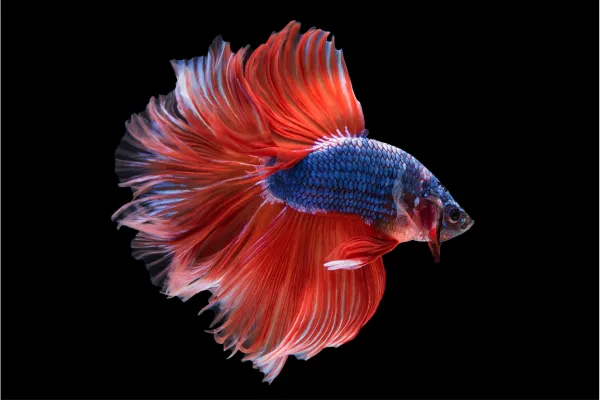
Bettas (Betta splendens) are among the most popular fish in the aquarium trade due to their striking colors and unique personalities. However, their presentation in retail stores should prioritize their health, well-being, and ethical care. A responsible approach not only ensures the fish thrive but also educates customers on proper betta care.
1. Provide Appropriate Housing
Many pet stores display bettas in small cups or tiny containers due to space constraints and aggression concerns. However, this practice is not ideal for their health. Instead, consider:
Filtered, Heated Display Tanks: A divided or individual tank system with proper filtration and heating (around 78-82°F or 25-28°C) is optimal.
Larger Holding Cups: If cups must be used, ensure they hold at least 0.5 gallons (1.9 liters) of water and are changed daily with conditioned water at the correct temperature.
Proper Water Quality: Use a gentle filter system to maintain water parameters and reduce ammonia buildup. Dechlorinated water with a pH of 6.5-7.5 is best.
2. Consider a Recirculating System
A recirculating betta system can provide individual compartments with access to filtered, heated water. This setup allows for:
Better water quality compared to stagnant cups.
Reduced stress and disease risk for the fish.
A more attractive display that encourages ethical purchasing.
3. Enrich Their Environment
Add Hiding Spots: Live or silk plants, small caves, or betta hammocks reduce stress.
Use Natural Lighting: Avoid harsh direct lights that can stress bettas. A gentle, natural light cycle mimicking day and night is ideal.
Avoid Overcrowding: Bettas are territorial; too many in close proximity can cause stress, even if they are separated.
4. Educate Customers on Proper Betta Care
Many buyers assume bettas thrive in small bowls with no filter or heater. To promote ethical fishkeeping:
Provide Informational Signage: Include proper tank size recommendations (at least 5 gallons or 19 liters), heating requirements, and compatible tank mates.
Sell Starter Kits: Offer properly equipped betta tank kits with filters, heaters, and water conditioners.
Train Staff: Ensure employees understand betta care and can guide customers toward responsible ownership.
5. Offer Healthy Bettas for Sale
Source from Ethical Breeders: Ensure bettas come from reputable suppliers that prioritize health over mass production.
Check for Signs of Health: Bright colors, active swimming, and clear eyes indicate a healthy betta. Avoid selling lethargic, dull-colored, or diseased fish.
Quarantine Sick Fish: Separate any bettas showing signs of fin rot, fungal infections, or parasites and treat them accordingly.
6. Display Bettas in an Appealing Way
Themed Displays: Create a visually engaging setup with aquatic plants, natural décor, and well-lit tanks.
Label Individual Fish: List their gender, type (e.g., Halfmoon, Crowntail), and care requirements to help customers make informed choices.
Showcase Betta-friendly Accessories: Place items like betta leaves, floating logs, and proper betta food nearby to encourage responsible purchases.
Conclusion
A well-thought-out presentation of bettas in a retail store enhances their well-being while promoting responsible pet ownership. By using heated and filtered tanks, enriching their environment, educating customers, and ensuring bettas are healthy before sale, retailers can set a high standard for fish care. Ethical practices not only improve the lives of the fish but also establish a reputation for quality and responsibility in the pet trade.
Thank You 2026 Exhibitors

































































































































































Subscribe to our Mailing List
And that's just a peek at what we offer. Get more marketing tips straight to your inbox.
Subscribe to our Mailing List
And that's just a peek at what we offer. Get more marketing tips straight to your inbox.


Copyright 2026. All Rights Reserved

